Automated Routing Generation
Blog Post 4.03.02 - Generate Routings Based on Cost and/or Delivery Time
Utilize Routing Configurator to generate routings base on cost and/or delivery time. Read More ...

Global Edge Video Blog-4.03

Video can’t be displayed
Generate Routings Based on Cost and/or Delivery Time
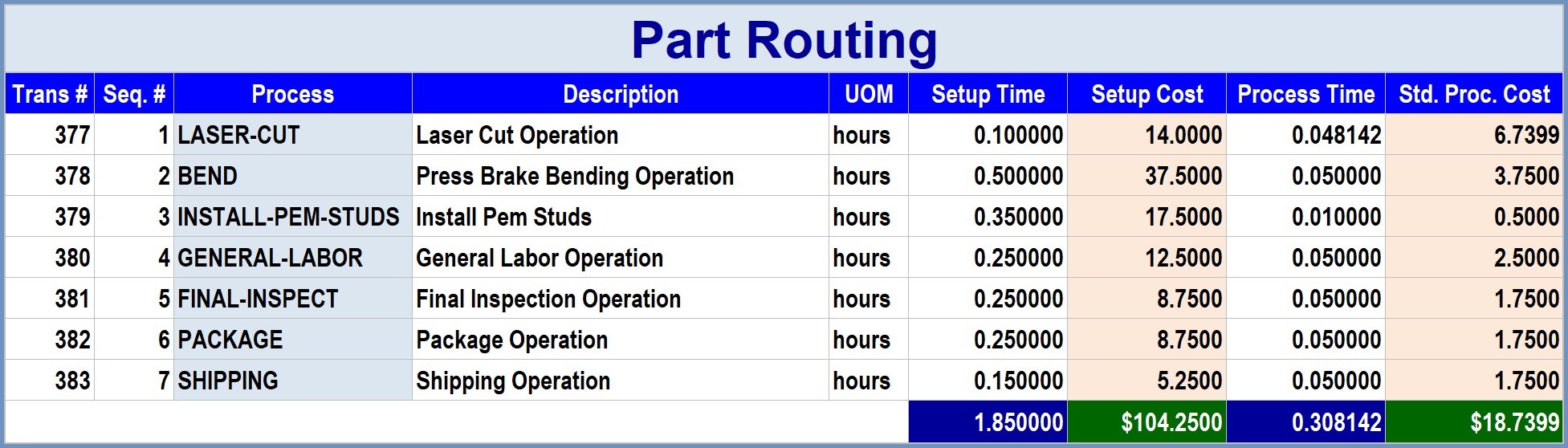
Global Edge Engineering Assistant provides an innovative and automated approach to generate routings based on actual production costs. This is accomplished with a combination with a configuration engine that generates optimal routing steps based on cost and/or delivery time coupled with real-time material and process costs from ERP.
The generation of the optimal routing steps is based on user definable configuration rules and accurately calculated manufacturing process times driven by CAD Part Parameters. These rules could include the calculation of laser cut times versus turret press punch times to determine cost versus fabrication time with each machine tool. Key features and benefits include the following:
The generation of the optimal routing steps is based on user definable configuration rules and accurately calculated manufacturing process times driven by CAD Part Parameters. These rules could include the calculation of laser cut times versus turret press punch times to determine cost versus fabrication time with each machine tool. Key features and benefits include the following:
- Real-Time Integration with ERP to Include Latest Time & Material Costs
- Easy Setup of Machine Tool Profiles to Calculate Machine Process Times
- Improves Scheduling Process with Optimal Generation of Routings
- Provides Simplified Method to Incorporate Tribal Knowledge into Automated Workflow
Automated Routing Generation Based on Cost and Delivery Time Using the Routing Configurator
Enhancing Manufacturing Efficiency Through Intelligent Routing
In today's highly competitive manufacturing landscape, optimizing production processes for both cost and delivery time is a critical priority. The ability to efficiently generate and select the best routings can significantly impact a company's bottom line, delivery performance, and customer satisfaction. Global Edge Engineering Assistant introduces a sophisticated and automated approach to routing generation, leveraging real-time data integration, user-configurable rules, and advanced calculation engines. This system provides manufacturers with the tools necessary to dynamically generate optimal production routings based on actual costs and required delivery times.
The Need for Intelligent Routing Generation
Manufacturing environments are continually challenged to produce high-quality products at minimal cost and with the fastest possible turnaround. Traditional routing generation methods—often reliant on static templates or manual input—lack the agility required to respond to fluctuating material costs, process time variations, or machine availability. As a result, companies face sub-optimal routings that may increase costs, create bottlenecks, or delay deliveries.
Automated routing generation, powered by a Routing Configurator, addresses these challenges by dynamically evaluating production variables and selecting the most effective sequence of operations. This approach ensures that each part or assembly moves through the manufacturing process in the optimal way, balancing cost constraints and delivery deadlines.
How the Routing Configurator Works
At the core of this innovative solution is the Routing Configurator—a rule-based engine designed to generate and evaluate multiple routing alternatives for a given part. The configurator operates with real-time integration to the Enterprise Resource Planning (ERP) system, pulling in up-to-date information on material and labor costs, machine availability, and process lead times.
The engine uses user-definable configuration rules, which are typically based on manufacturing best practices and company-specific knowledge. These rules may consider factors such as:
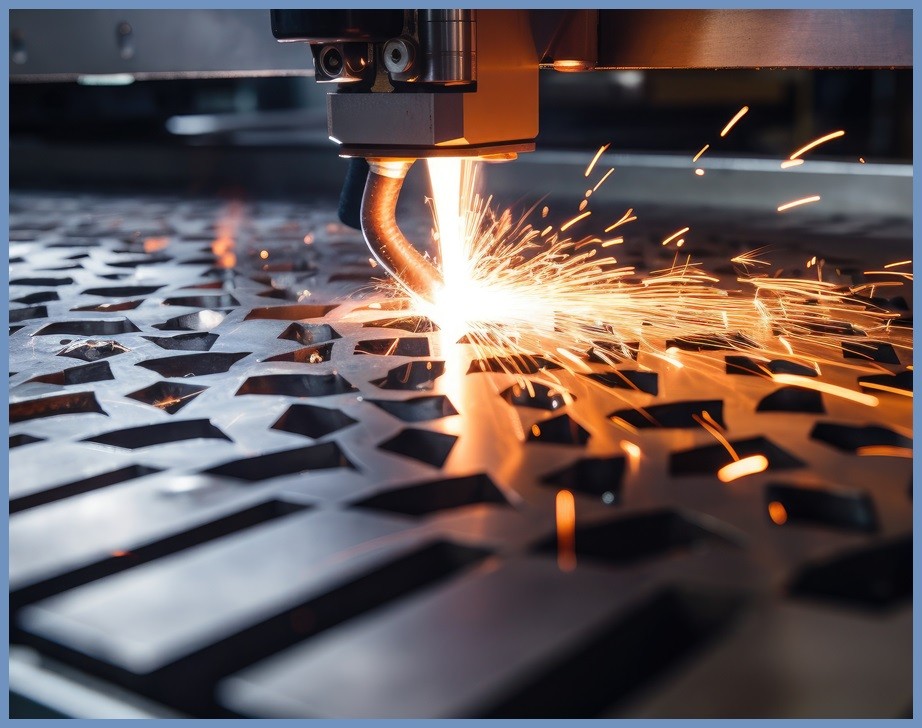
- Comparison of laser cutting versus turret press punching for sheet metal fabrication, evaluating the trade-off between process speed and per-unit cost.
- Sequencing operations based on machine tool setup times and the impact on overall production flow.
- Selection of secondary processes (e.g., deburring, painting) based on part geometry and quality requirements.
- Constraints related to material handling, batch sizes, or downstream assembly requirements.
Additionally, the configurator is capable of leveraging CAD Part Parameters, such as dimensions, material thickness, and feature complexity, to calculate process times more accurately. This integration reduces the reliance on static lookup tables and provides a more precise foundation for cost and time estimation.
Key Features of the Routing Configurator Solution
Global Edge Engineering Assistant's Routing Configurator brings together several advanced features designed to streamline and optimize the routing generation process:
- Real-Time ERP Integration: By interfacing directly with the company’s ERP system, the configurator ensures that all calculations are based on the latest available data for materials, labor rates, and overhead. This eliminates errors caused by out-of-date cost information and allows for rapid response to market or supply chain changes.
- User-Configurable Machine Tool Profiles: Each machine tool can be defined with its own performance characteristics, such as maximum throughput, setup times, and specific cost structures. The configurator uses these profiles to calculate process times for each operation, enabling accurate what-if analysis regarding equipment deployment.
- Optimized Scheduling: As routings are generated, the system evaluates options not only for lowest cost but also for best fit to required delivery times. This enables production schedulers to select routing options that minimize idle time and maximize throughput, helping to keep orders on track and customers satisfied.
- Integration of Tribal Knowledge: Valuable experiential knowledge from production staff can be codified into routing rules, ensuring that best practices are preserved and applied consistently—even as workforce composition changes over time.
- Automated Workflow: By automating the selection and sequencing of routing steps, the configurator reduces manual effort and the potential for human error. Engineers and planners can focus on exception handling and process improvement rather than routine routing decisions.
Benefits of Automated, Cost-Driven Routing Generation
The tangible benefits of implementing a configurator-driven approach to routing generation are numerous and far-reaching:
- Reduced Manufacturing Costs: By continuously evaluating routing alternatives based on real-time cost data, the configurator helps to minimize unnecessary expenses. Decisions such as choosing the best fabrication method or optimizing setup sequences can yield significant savings over time.
- Improved Lead Time and On-Time Delivery: Routing generation that incorporates delivery deadlines ensures that production schedules are realistically achievable. Planners can confidently promise delivery dates to customers, knowing that routings have been optimized for speed as well as cost.
- Enhanced Flexibility: As new machines are added, material costs fluctuate, or process improvements are made, the configurator can automatically adjust routing generation rules. This adaptability helps manufacturers maintain a competitive edge in dynamic markets.
- Standardized Best Practices: By embedding tribal knowledge and established best practices into configuration rules, organizations standardize their routing processes. This reduces variability, ensures consistency in quality, and accelerates the onboarding of new team members.
- Data-Driven Decision Making: With every routing decision grounded in actual cost and process time data, production managers and engineers can better justify their choices and drive continuous improvement initiatives.
Practical Example: Laser Cutting vs. Turret Press Punching
To illustrate the power of the Routing Configurator, consider the familiar decision between laser cutting and turret press punching in sheet metal fabrication. Laser cutting offers high precision and flexibility for complex shapes but can be slower and more costly per part for simple geometries. Turret press punching, on the other hand, is faster for repetitive shapes but may require more tool changes and has limitations for intricate designs.
Using CAD-derived part parameters, the configurator calculates estimated process times and costs for both operations. It then applies user-defined rules, such as prioritizing speed when delivery time is critical or choosing the method with the lowest total cost when schedule flexibility allows. The resulting routing recommendation is tailored to each part’s unique requirements and the current state of the shop floor.
Simplifying the Path from Quotation to Production
Another major advantage of automated routing generation is the ability to rapidly produce accurate quotations. By precisely estimating costs and lead times based on up-to-date routings, sales teams can respond to customer inquiries with speed and confidence. Once an order is confirmed, the approved routing can be seamlessly transitioned into production, reducing administrative overhead and accelerating order fulfillment.
Incorporating Continuous Improvement
As manufacturing processes evolve, so too do the rules and data underpinning routing generation. The Routing Configurator is designed to support ongoing refinement—whether through the integration of new equipment, the addition of alternative materials, or the adoption of more advanced process models. Over time, this ensures that routing generation remains aligned with organizational strategy and market demands.
Conclusion
Automated routing generation based on cost and delivery time, empowered by the Routing Configurator of the Global Edge Engineering Assistant, represents a significant advancement for modern manufacturing. With seamless ERP integration, user-defined rules, and real-time process data, manufacturers gain the ability to generate precise, optimized routings for every part and order. The result is a smarter, more agile production environment where cost control, delivery performance, and process excellence are achieved as a matter of course.
By embracing this innovation, organizations can not only improve operational efficiency but also strengthen their competitive position in the marketplace—delivering value to both their customers and their bottom line.
Optimize Scheduling and Increase Shop Floor Velocity
To see a demonstration as to how Global Edge Engineering Assistant can streamline your manufacturing workflow process, click on the link below to schedule a software demonstration.