Advanced Part Search
Blog Post 7.02.02 - Utilizing "Where-Used" to Eliminate Orphan Parts
Utilize powerful "Where-Used" software technology to eliminate orphan parts. Read More ...
Global Edge Video Blog-7.02

Video can’t be displayed
Utilizing "Where-Used" to Eliminate Orphan Parts
Global Edge Engineering Assistant provides innovative software technology that includes "Where-Used" capabilities to identify each occurrence where specific parts are utilized. This is made possible with software capabilities that generates complete bill of material assemblies from your CAD model assemblies as they are generated. Once similar parts are identified, Global Edge provides "Manufacturability Testing" to make sure part can be successfully fabricated before leaving engineering. This includes the following features and benefits:
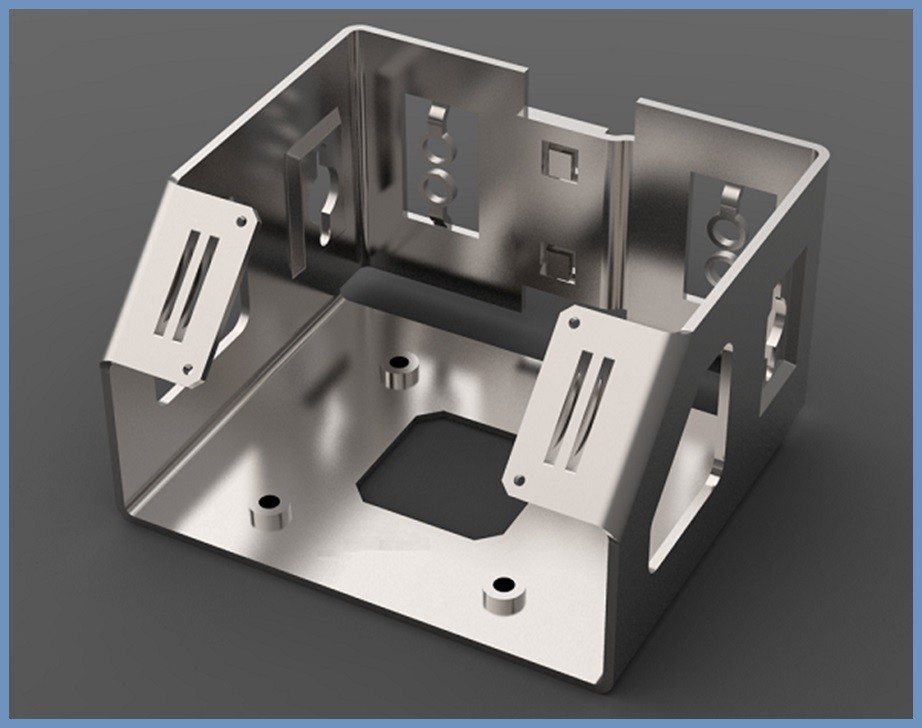
- Automated Generation of Complete Bill of Materials from 3D CAD Model Assemblies
- Advanced "Where Used" Search Capabilities
- Eliminates Design / Production Errors with Manufacturability Testing
Utilizing “Where-Used” Technology to Eliminate Design and Production Errors
Leveraging Advanced Software for Higher Precision and Efficiency in Manufacturing
In the complex world of modern manufacturing, the pursuit of flawless design and error-free production remains a continual challenge. Even the most meticulously engineered systems are susceptible to errors that originate from overlooked part usage, incomplete material tracking, or insufficient manufacturability assessments. Enter “Where-Used” software technology—a powerful tool that is redefining how engineering professionals manage components, assemblies, and processes to dramatically reduce design and production errors.
The Challenge of Design and Production Errors
Errors at the design or production stage can be costly, not only in terms of wasted materials and labor, but also in lost time and diminished reputation. Traditional methods of tracking part usage across various product assemblies require manual intervention and are prone to oversight, especially as product complexity and the number of assemblies increase.
Typical errors include:
- Unintentional reuse of parts in incompatible assemblies
- Omitted components from bills of materials (BOMs)
- Overlooked engineering changes that affect downstream assemblies
- Parts that are designed but cannot be manufactured due to technical or material constraints
Introducing “Where-Used” Software Technology
The advent of “Where-Used” functionality in engineering software is a game-changer. This technology allows engineers to quickly and efficiently trace every instance where a specific part is utilized across multiple product assemblies. By aggregating this data directly from CAD (Computer-Aided Design) models, “Where-Used” capabilities eliminate guesswork and manual tracking.Global Edge Engineering Assistant exemplifies this innovative approach, integrating “Where-Used” search functions with advanced manufacturability testing to provide a holistic solution for design and production integrity.
Automated Generation of Complete Bill of Materials from 3D CAD Model Assemblies
One of the foundational elements of robust design management is the accurate generation of a complete bill of materials. With Global Edge Engineering Assistant, BOMs are no longer compiled manually or semi-automatically. The software extracts all component data from 3D CAD model assemblies, generating comprehensive and up-to-date BOMs with each design iteration.
Key benefits include:
- Accuracy: Automated BOM generation reduces human error and ensures no component is omitted.
- Speed: The process is nearly instantaneous, enabling rapid iteration and design optimization.
- Traceability: Every part’s relationship to larger assemblies and systems is automatically recorded and updated.
This ensures that engineering teams can always be confident in the completeness and correctness of their BOMs, setting the stage for seamless downstream processes.
Advanced “Where-Used” Search Capabilities
The heart of the technology lies in its sophisticated search capabilities. The “Where-Used” function parses through vast CAD data, identifying every assembly, subassembly, or higher-level product where a particular part appears. This immediate and comprehensive insight offers several advantages:
- Change Impact Analysis: When a part is modified or phased out, engineers can instantly see all affected assemblies and address necessary changes proactively.
- Reuse Optimization: Parts can be confidently reused in new designs, knowing their complete context within existing products.
- Error Prevention: The risk of part misapplication is minimized, as engineers can verify compatibility and suitability for each use case.
For instance, if a fastener is updated for a new production requirement, the “Where-Used” tool will immediately highlight every design that incorporates that fastener, enabling prompt and coordinated updates across the entire portfolio.
Elimination of Design and Production Errors through Manufacturability Testing
Identifying where a part is used is only half the battle. The next critical step is ensuring that every part and assembly can be successfully fabricated before leaving the engineering phase. Global Edge Engineering Assistant’s integrated manufacturability testing scrutinizes each identified part for potential issues that could impede production.
Key aspects include:
- Material Suitability: The system checks whether the selected materials are appropriate and available for the intended manufacturing processes.
- Process Compatibility: It verifies that parts can be produced with existing manufacturing equipment and methods.
- Tolerance Analysis: Advanced algorithms ensure that specified tolerances are achievable and will not compromise function or assembly.
- Cost Assessment: Early detection of expensive or overly complex features enables cost optimization prior to production.
This holistic approach prevents the all-too-common scenario where a part, though perfectly designed, proves impossible or impractical to manufacture at scale.
Transforming Engineering and Manufacturing Workflows
The combined power of “Where-Used” search and manufacturability testing transforms traditional workflows, yielding benefits that ripple throughout the organization:
- Reduced Engineering Change Orders (ECOs): Fewer errors mean fewer late-stage changes, reducing project delays and expense.
- Faster Time to Market: Streamlined processes and early error detection speed up the journey from concept to production.
- Improved Product Quality: Consistent, accurate BOMs and manufacturable designs translate to higher quality finished goods.
- Data-Driven Decision Making: With comprehensive visibility into part usage and manufacturability, teams can make informed decisions with confidence.
Real-World Application Scenarios
Consider a scenario where an automotive manufacturer is designing a new vehicle platform. Hundreds of parts are reused from previous models. If one legacy component has a design flaw, the “Where-Used” tool instantly reveals every assembly that incorporates the faulty part, enabling targeted re-engineering and preventing widespread errors.
In aerospace, where compliance and traceability are paramount, “Where-Used” functionality ensures that every nut, bolt, and bracket can be accounted for—down to the smallest detail—streamlining audits and certification processes.Similarly, in consumer electronics, where rapid product refresh cycles are the norm, having a clear picture of part usage and readiness for manufacture allows companies to innovate quickly without sacrificing quality or incurring excessive costs.
Looking Ahead: The Future of “Where-Used” Technology
As engineering and manufacturing continue to grow in complexity, the importance of digital tools like “Where-Used” technology will only increase. The integration of artificial intelligence and machine learning promises to make these systems even more predictive—able to suggest design improvements, highlight emerging risks, and optimize supply chain decisions in real-time.Cloud connectivity and IoT integration will further enhance visibility, enabling global teams to collaborate seamlessly and respond swiftly to change.
Conclusion
In an era where precision, speed, and cost-effectiveness define success, “Where-Used” technology is an indispensable ally for engineering and production teams. By automating BOM generation, providing comprehensive visibility into part usage, and ensuring manufacturability, tools like the Global Edge Engineering Assistant empower organizations to eliminate preventable errors, accelerate innovation, and deliver superior products to market.
Harnessing the full potential of “Where-Used” technology is not just about avoiding mistakes—it’s about building a smarter, more agile, and more competitive future in the world of design and manufacturing.
Identify Production Errors Before Parts Reach the Shop Floor
To see a demonstration as to how Global Edge Engineering Assistant can help eliminate production errors, click on the link below to schedule a software demonstration.